
A Practical Guide to HVAC Challenges in Sarasota and Bradenton
By the American Plumbing Heating and Cooling Team
Licensed Florida contractors — HVAC CAC1821761 · Plumbing CFC1431919

Discover how to tackle HVAC challenges in the Sarasota and Bradenton area with expert tips on coastal corrosion, humidity, and system maintenance.
Reviewed bythe American Plumbing Heating and Cooling Team — Licensed Florida contractors — HVAC CAC1821761 · Plumbing CFC1431919. Published June 11, 2026. About American Plumbing Heating and Cooling
Dealing with this problem right now? Call (941) 735-6616 and talk to our local team.
Request ServiceWhy HVAC Challenges in the Sarasota and Bradenton Area Are Unlike Anywhere Else in the Country
The HVAC challenges in the Sarasota and Bradenton area are some of the most demanding in the entire country — and if you own a home here, you've probably already felt the pressure. Here's a quick summary of what local homeowners are up against:
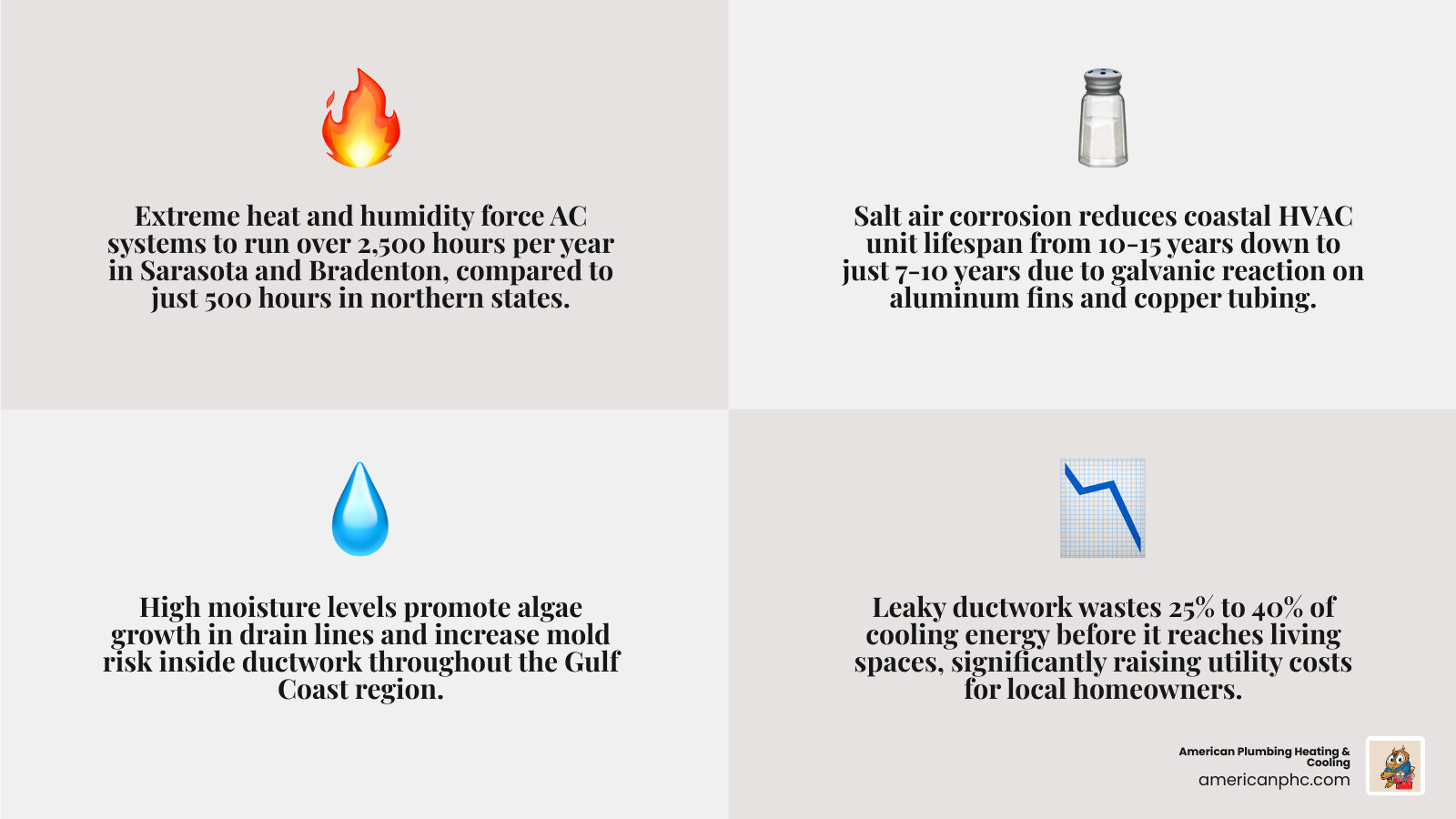
- Extreme heat and humidity force AC systems to run 2,500+ hours per year — compared to just 500 hours in northern states
- Salt air corrosion can cut a coastal unit's lifespan from 10-15 years down to just 7-10 years
- High moisture levels cause algae growth, drain line clogs, and mold risk inside ductwork
- Leaky or aging ductwork can waste 25% to 40% of your cooling energy before it reaches your rooms
- Coastal vs. inland location significantly affects how hard your system works and how long it lasts
- Refrigerant changes (R-410A was phased out in 2025) make repairs on older systems more complicated and expensive
Most homeowners moving to Sarasota or Bradenton from up north are genuinely surprised by how quickly their AC system ages here. A unit installed in 2016 has likely logged more operating hours than a 20-year-old system sitting in Ohio. The subtropical climate doesn't give your equipment a break — not in summer, not in winter, and not even overnight when nighttime lows have been recorded above 78°F.
That relentless workload, combined with salty Gulf air and near-constant humidity, creates a set of HVAC problems that require local knowledge to solve — not just general repair skills.
Hvac challenges in the sarasota and bradenton area terms made easy:
- how gulf coast climate affects your hvac and plumbing
- how salt air and hurricane season affect your home
Navigating HVAC Challenges in the Sarasota and Bradenton Area
When you live along the Gulf Coast, your air conditioner behaves less like a standard home appliance and more like an elite athlete running a continuous ultramarathon. During our sweltering summer months, outdoor temperatures frequently climb into the mid-90s, with a heat index that easily pushes past 100°F. This intense environmental pressure places a continuous strain on every single component of your cooling system.
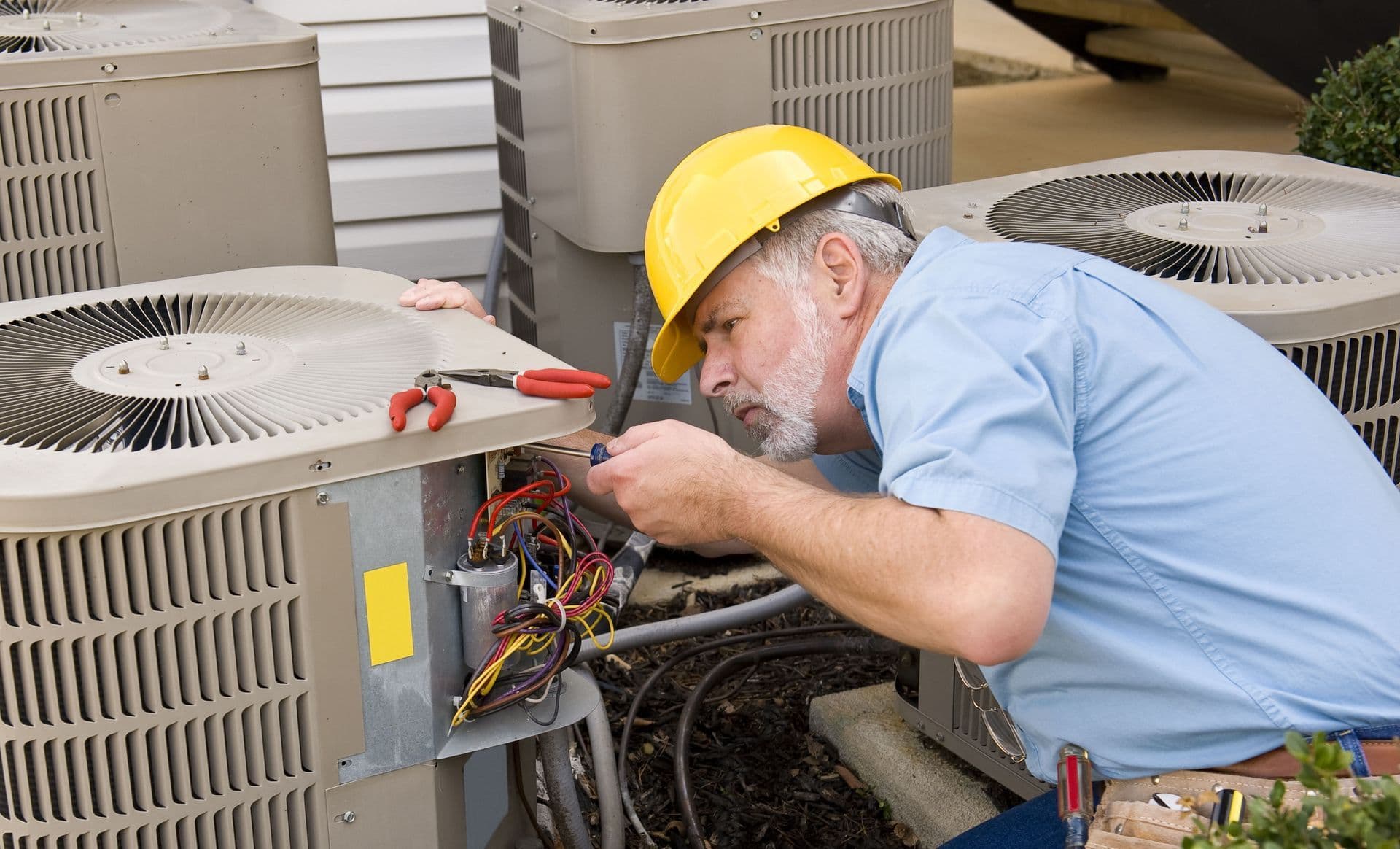
To keep your home comfortable, the compressor, condenser fan, blower motor, and electrical relays must perform flawlessly under extreme operating conditions. Standard systems in milder climates cycle on and off to maintain temperatures. In Southwest Florida, your system may run continuously for 10 to 12 hours a day just to keep pace with the heat. When components are pushed to these limits, minor mechanical imbalances rapidly escalate into major system breakdowns.
If your system begins to struggle under this heavy workload, seeking professional assistance is key. Homeowners in Sarasota County can rely on our team for prompt AC Repair Service Sarasota FL to restore cooling before indoor spaces reach unsafe temperatures. Similarly, if you are located in Manatee County, scheduling timely AC Repair Service Bradenton FL can prevent minor component wear from turning into complete system failure.
The Impact of Extreme Heat and High Humidity
In our subtropical climate, managing the air temperature is only half the battle. High indoor humidity is often the true culprit behind home discomfort. Air conditioning systems handle two distinct types of heat loads:
- Sensible heat: The actual temperature you read on your wall thermostat.
- Latent heat: The hidden heat trapped within airborne moisture (humidity).
To tackle latent heat, your air conditioner must act as a powerful dehumidifier. As warm, damp air passes over the cold evaporator coil, water vapor condenses on the metal surface and drips down into a condensate drain pan. During periods of extreme heat, a typical residential AC unit can extract gallons of water from the indoor air every single day.
This continuous stream of moisture creates an ideal breeding ground for microscopic organisms. Zooglea algae, mold, and mildew thrive inside the dark, damp environment of your condensate drain line. Over time, this biological growth forms a thick, gelatinous clog. When the drain line blocks completely, the condensate water backflows, which can overflow the drain pan, damage your ceilings, ruin your drywall, and trigger automatic safety float switches that shut down your entire system. Understanding these unique environmental pressures is a major focus of our guide on Everything You Need to Know About AC Repair in Sarasota FL.
Salt Air Corrosion and Coastal System Fatigue
If you live within five miles of the Gulf of Mexico, your outdoor condenser unit faces a silent, chemical threat: salt air corrosion. The ocean breeze carries tiny, airborne salt crystals that settle directly onto the delicate aluminum heat-exchange fins and copper tubing of your outdoor unit.
When salt, moisture, and dissimilar metals interact, they trigger a chemical process known as galvanic corrosion. This reaction causes the aluminum fins to oxidize, turn brittle, and eventually crumble away. As the heat-exchange fins degrade, the outdoor coil loses its ability to dump heat gathered from inside your home. This forces the compressor to run hotter, pull more electricity, and work significantly harder to achieve the same cooling effect.
Without specialized anti-corrosive coil coatings or routine freshwater rinses, coastal units can suffer premature coil leaks and total compressor failure in a fraction of their normal operational lifespan. For practical advice on maintaining your coastal system and managing repair needs without breaking the bank, read our resource, Chill Out: A Guide to Finding Affordable AC Repair Services in Bradenton FL.
Coastal vs. Inland: How Location Dictates Your System's Lifespan
Where your home sits on the map plays a massive role in how your heating and cooling system ages. A home located directly on the waterfront faces entirely different environmental pressures than a home nestled in an inland master-planned community.
To help illustrate these geographic differences, let’s compare the primary environmental demands placed on coastal and inland HVAC systems in our region:
| Environmental Factor | Coastal Properties (e.g., Siesta Key, Longboat Key) | Inland Properties (e.g., Lakewood Ranch, Eastern Bradenton) |
|---|---|---|
| Primary Threat | Salt spray, coastal winds, galvanic corrosion | High dust, pollen, organic debris, grass clippings |
| Corrosion Rate | Extremely high; rapid degradation of aluminum fins | Low to moderate; standard weathering |
| Average AC Lifespan | 7 to 10 years (without protective coatings) | 10 to 12+ years |
| Maintenance Priority | Monthly coil rinsing, anti-corrosive coatings | Frequent filter changes, clearing yard debris from unit |
| Humidity Levels | Consistently high year-round | Variable; high in summer, slightly lower in winter |
Addressing Coastal HVAC Challenges in the Sarasota and Bradenton Area
For properties located on Siesta Key, Longboat Key, or near the marinas of Venice and Bradenton, salt spray is a constant factor. The salt-laden air acts as a grinding abrasive on moving parts, such as the condenser fan motor bearings, and degrades exposed electrical wiring connections.
Coastal systems require specialized equipment selections, including factory-applied phenolic or epoxy coil coatings (often referred to as Blue Fin or specialized marine coatings) to protect the copper-to-aluminum joints. Additionally, elevating the outdoor unit on a sturdy riser helps protect it from blowing sand and minor localized tidal flooding.
If you are managing a coastal property and want to ensure your system is properly configured for seaside survival, we invite you to explore our dedicated resources for Service Areas Sarasota FL and Service Areas Bradenton FL.
Managing Inland HVAC Challenges in the Sarasota and Bradenton Area
Moving inland to communities like Lakewood Ranch or the eastern stretches of Bradenton shifts the primary HVAC threats from salt to dust, pollen, and airborne organic debris. Inland properties are often surrounded by active construction, agricultural areas, and heavy landscaping.
In these areas, lawn mower clippings, dry soil, and pollen get sucked directly into the outdoor condenser coil. This debris forms a thick, carpet-like barrier over the coil, choking off the vital airflow your system needs to release heat.
Indoors, high levels of dust can quickly clog standard air filters, causing a drop in static pressure that strains the indoor blower motor and can even cause the evaporator coil to freeze solid. To keep your inland system running smoothly, check out our comprehensive Lakewood Ranch AC Repair Guide: Finding Experts Who Won't Leave You Steaming.
Maximizing Efficiency and Lifespan with Regular Maintenance
Because our local climate demands so much from our cooling systems, proactive maintenance is the single most effective tool you have to prevent unexpected breakdowns and manage your monthly utility expenses.
Modern air conditioners are engineered to meet strict regional efficiency standards, measured in SEER2 (Seasonal Energy Efficiency Ratio 2). In Florida, the minimum allowable efficiency rating for a new split-system air conditioner is 14.3 SEER2. However, even a high-efficiency system can experience a rapid drop in performance if neglected.
Upgrading to advanced technology, such as variable-speed or inverter-driven compressors, provides exceptional humidity control. Unlike traditional single-stage systems that blast on at 100% capacity and then shut off, variable-speed systems run longer, gentler cooling cycles. This continuous operation allows the system to constantly extract moisture from the air, maintaining a rock-solid 50% indoor relative humidity level without overcooling your home.
To keep these advanced systems operating at peak performance, homeowners in Sarasota and Bradenton should establish a relationship with a trusted local service provider. Booking a seasonal AC Maintenance Tune Up Sarasota FL or an AC Maintenance Tune Up Bradenton FL ensures that your system's efficiency is preserved year after year.
The Importance of Professional AC Tune-Ups
A truly effective HVAC tune-up goes far beyond simply replacing an air filter and spraying down the outdoor unit with a garden hose. A comprehensive, professional inspection targets the critical wear points that commonly fail during peak summer heat waves.
To help you keep track of what your system needs, here is an essential checklist of what a professional maintenance visit should include:
- Deep Coil Cleaning: Chemically treating the indoor evaporator and outdoor condenser coils to remove salt crust, dust, and biological films.
- Refrigerant Charge Verification: Using digital manifolds to measure superheat and subcooling, ensuring the system is operating at the exact factory-specified charge (as even a minor deviation can spike operating costs).
- Electrical Component Testing: Checking contactors for pitting, testing capacitors for capacitance loss, and tightening all electrical connections.
- Condensate Drain Treatment: Clearing the drain line of algae accumulation, flushing the line with warm water, and testing the safety float switch.
- Ductwork Inspection: Checking for structural leaks, fallen insulation, or loose plenums that waste cooled air in your hot attic.
For a deeper look into how regular maintenance keeps your home safe and highly efficient, read our guide to Keep Your Cool with Professional AC Maintenance in Bradenton FL.
When to Repair vs. Replace Your System
Every homeowner eventually faces the difficult decision of whether to invest in repairing an aging air conditioner or replace it entirely. This decision has become more complex in 2026 due to several industry shifts:
- The R-410A Refrigerant Phase-Out: The EPA officially phased out the production of R-410A systems in 2025 in favor of environmentally friendly refrigerants (such as R-454B and R-32). As a result, servicing older R-410A systems will become increasingly expensive as chemical supplies naturally decline.
- The "5,000 Rule": A reliable industry guideline. Multiply the age of your system by the cost of the recommended repair. If the total exceeds 5,000, investing that money into a modern, energy-efficient replacement is almost always the smarter financial choice.
- Energy Waste: Older systems can waste a significant portion of their cooling energy through leaky ductwork and outdated compressor technology, leading to high monthly utility bills.
If you are weighing your options, we offer tailored guidance to help you make the right choice. Explore our localized services for AC Installation Replacement Sarasota FL and AC Installation Replacement Bradenton FL, or consult The Ultimate Sarasota AC Replacement Survival Guide for a step-by-step decision framework.
Frequently Asked Questions About Gulf Coast HVAC Systems
Navigating the unique climate demands of Southwest Florida often raises questions for homeowners. Below, we address some of the most common inquiries we receive from local residents. For more personalized advice, you can always connect with the team at Expert AC Installers Near Sarasota Who Actually Know Their Chill.
How often should I schedule AC maintenance in Florida?
Due to the intense heat, high humidity, and extended runtime hours, we strongly recommend scheduling professional maintenance twice a year—ideally once in the spring to prepare for the brutal summer heat, and once in the fall to clean out summer debris and check your system's heating components before our occasional winter cold snaps.
Why does salt air damage air conditioners so quickly?
Salt air triggers galvanic corrosion, which occurs when salt and moisture settle on the connection points between the aluminum heat-exchange fins and copper refrigerant tubes. This chemical reaction breaks down the aluminum, causing the fins to crumble away, reducing heat transfer, and eventually leading to refrigerant leaks and compressor failure.
What is the average lifespan of an AC unit in Sarasota?
While an air conditioner in a northern state might easily last 15 to 20 years, the average lifespan of an AC unit in Florida is 10 to 12 years. For coastal homes located directly on the water, salt air corrosion can reduce this lifespan to just 7 to 10 years if the system is not protected by anti-corrosive coatings and regular maintenance.
Conclusion
Managing the hvac challenges in the sarasota and bradenton area requires more than just general mechanical skills. It demands a deep, practical understanding of how our local subtropical climate, high humidity, and salty Gulf air interact with complex cooling equipment.
At American Plumbing Heating and Cooling, we bring over 100 years of combined team experience, honest upfront pricing, and fully licensed, certified professionals to every single job. Whether you need a midnight emergency repair, a detailed seasonal tune-up, or a high-efficiency system replacement, our team is dedicated to keeping your home cool, dry, and comfortable year-round.
To learn more about our commitment to excellence across Southwest Florida, check out our ranking among the Top Companies for Plumbing and HVAC in Sarasota, Cape Coral and Pensacola. Ready to secure your indoor comfort? Contact us today to schedule your service or explore our complete lineup of American PHC Services.
Need HVAC Help?
Our certified technicians are ready to help with all your heating and cooling needs.
Request ServiceAbout the Author
American Plumbing Heating and Cooling Team
Licensed Florida contractors — HVAC CAC1821761 · Plumbing CFC1431919
More Articles
View All PostsRelated Articles


Ready to Get Started?
Whether you need a repair, maintenance, or a new system installation, our expert team is here to help.